Health and Safety Policy for Carpet Cleaners TW7
 Our health and safety policy sets out the standards that guide every carpet cleaning task carried out by Carpet Cleaners TW7. The purpose of this policy is to protect staff, clients, visitors, and anyone else who may be affected by our work. We are committed to maintaining a safe working environment, reducing preventable incidents, and ensuring that all cleaning activities are performed with care, competence, and proper control measures. This policy applies to all carpet cleaning operations, including domestic and commercial work, upholstery care, stain removal, and drying procedures.
We recognise that carpet cleaning involves the use of water, electrical equipment, detergents, and manual handling, all of which can create hazards if not managed correctly. For that reason, our carpet cleaning health and safety approach is built on prevention, training, supervision, and ongoing review. Every team member is expected to follow safe working practices, report concerns promptly, and stop work if conditions become unsafe. Safety is considered an essential part of service quality, not an extra step.
As part of our carpet cleaners safety policy, all staff must carry out a basic assessment before starting any task. This includes identifying slip risks, checking the condition of equipment, reviewing ventilation, and confirming that the area is suitable for cleaning. Where risks cannot be reduced to an acceptable level, the job will be postponed, adapted, or declined. We believe that professional carpet cleaning should never compromise the wellbeing of people or property.
Responsibilities and Safe Working Standards
Management is responsible for making sure that safe systems of work are in place and that they remain effective. This includes providing appropriate equipment, suitable cleaning products, and clear instructions for all operational tasks. Employees are responsible for following those instructions, using equipment correctly, and maintaining a tidy work area. Everyone is expected to act with reasonable care, especially when moving through occupied properties, handling hoses, and working around furniture or fragile surfaces.
Training is a vital part of our policy. All staff receive instruction on equipment use, chemical handling, emergency action, manual handling, and safe drying methods. Refresher training is provided when needed so that standards remain current. We also promote a culture of awareness, where team members are encouraged to speak up if they notice unsafe conditions or need additional support. This helps reduce accidents and supports consistent delivery of safe carpet cleaning services.
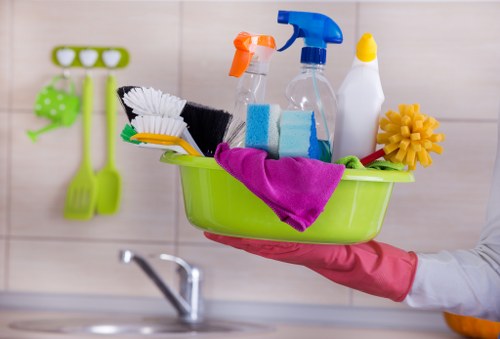 PPE may be used where necessary, depending on the nature of the task. This can include gloves, slip-resistant footwear, protective eyewear, or other items suited to the work being carried out. All personal protective equipment must be maintained in good condition and used as instructed. Staff should never operate equipment with wet hands where avoidable, and electrical items must be checked before use to reduce the risk of shock, malfunction, or damage.
Risk Control Measures
One of the most common hazards in professional carpet cleaners TW7 work is slipping caused by damp flooring. To control this risk, we use clear warning signs where appropriate, manage water use carefully, and ensure that cleaned areas are ventilated and monitored during drying. Furniture and loose items may be moved only when it is safe to do so, and pathways are kept clear to prevent trips and falls. If a surface remains wet longer than expected, the area is treated as a temporary hazard until it is safe to re-enter.
 Cleaning chemicals are selected and used with care. Products must be suitable for the surface being treated and used according to manufacturer instructions. Staff should avoid mixing chemicals unless approved procedures allow it, as unsafe combinations can release harmful fumes or reduce cleaning effectiveness. Containers should be labelled clearly, stored securely, and handled in a way that prevents leaks, skin contact, or accidental ingestion. Good ventilation is maintained whenever products are applied, especially in enclosed rooms.
Manual handling is another important consideration. Carpet cleaning equipment, water containers, and furniture may be heavy or awkward to move, so staff are trained to lift correctly, use assistance where needed, and avoid unnecessary strain. Where possible, equipment is designed or arranged to reduce carrying distances and repetitive movements. Our carpet cleaning safety standards support a practical approach that protects both workers and the property being cleaned.
Incident Reporting and Emergency Response
Any accident, near miss, injury, or unsafe condition must be reported as soon as possible so that corrective action can be taken. Records are reviewed to identify patterns and improve control measures. In the event of an emergency, staff are expected to follow the relevant procedure, which may include stopping work, isolating equipment, informing the appropriate people, and assisting with evacuation if required. First aid provisions should be available wherever work is undertaken, and team members should know how to access them.
Electrical safety is treated with particular caution because carpet cleaning often uses powered machines in environments where moisture is present. Equipment must be inspected before use, stored correctly after use, and removed from service if any defect is found. Extension leads, plugs, and sockets must be kept in a safe condition and positioned to reduce the chance of damage. Water must never be allowed to collect around electrical components, and damaged items must not be used until they have been checked by a competent person.
We also expect safe respect for client property and for the people in the building. Staff should work carefully around children, pets, elderly residents, and vulnerable individuals, adjusting their methods to avoid distress or disruption. A professional carpet cleaners health and safety policy is not limited to avoiding injury; it also includes thoughtful conduct, clear communication, and responsible working habits throughout the service.
Monitoring, Review, and Continuous Improvement
 This policy is reviewed regularly to ensure that it remains effective and suitable for the work we carry out. Reviews take into account equipment changes, product updates, incident reports, and feedback from safety checks. When improvements are identified, they are implemented promptly and communicated to relevant staff. Continuous improvement is important because even routine cleaning work can involve changing conditions, different surfaces, and varied property layouts.
Where tasks involve special risks, additional precautions may be required. These can include restricting access to the work area, using more detailed cleaning plans, or adjusting the timing of the work to reduce disruption. Staff should always use judgement, ask for guidance when needed, and avoid taking shortcuts. Our aim is to provide professional carpet cleaner safety practices that are consistent, reliable, and suitable for the environments in which we operate.
 By following this policy, Carpet Cleaners TW7 demonstrates a clear commitment to safe, responsible, and high-quality service. Health and safety is everyone’s responsibility, and each person plays a part in preventing harm, protecting property, and maintaining standards that support effective carpet care. This policy should be read as a core part of daily working practice and followed on every job, without exception.